Plumbline Tapware Meets New Lead-Free and DZR Requirements
6 min read · News
Article by Plumbline
Everything you need to know about New Zealand's updated Building Code and what it means for your home or project.
Water is at the heart of everything we do at Plumbline. It shapes how we design, what we make, and the standard we hold our products to. So when New Zealand updated its Building Code to keep lead out of drinking water, we welcomed it and we were ready for it.
On 2 May 2026, new requirements for tapware and plumbing products in contact with drinking water came into force. Whether you're a homeowner planning a renovation, or an architect or designer specifying your next project, here's what has changed, why it matters, and how Plumbline makes it simple.
Article continues below...
What changed on 2 May 2026
The update sits within Acceptable Solution G12/AS1 (Amendment 14) under Building Code Clause G12 – Water Supplies. From 2 May 2026, it applies to all new building consent applications and sets two requirements for products that touch drinking water:
Lead-free. Copper alloy products in contact with drinking water, taps, mixers, valves, fittings, must contain no more than 0.25% lead (weighted average). Lead was historically added to brass to make it easier to machine, but even small amounts can leach into water over time, and health authorities worldwide agree there is no beneficial level of lead exposure. Children and pregnant women are most at risk.
Dezincification resistant (DZR). Any copper alloy component under constant water pressure must be made from DZR brass. Standard brass is an alloy of copper and zinc, and in some water conditions the zinc can gradually dissolve out of the metal — a process called dezincification. The component looks fine from the outside, but inside the metal becomes porous and weak, leading to leaks, failures, and potential contamination. DZR brass is formulated so the zinc stays locked in the alloy for the life of the product.
Together, these two requirements bring New Zealand into line with standards that Europe adopted years ago, which is one reason quality European-made tapware was well ahead of this change.
What the rules cover, and what they don't
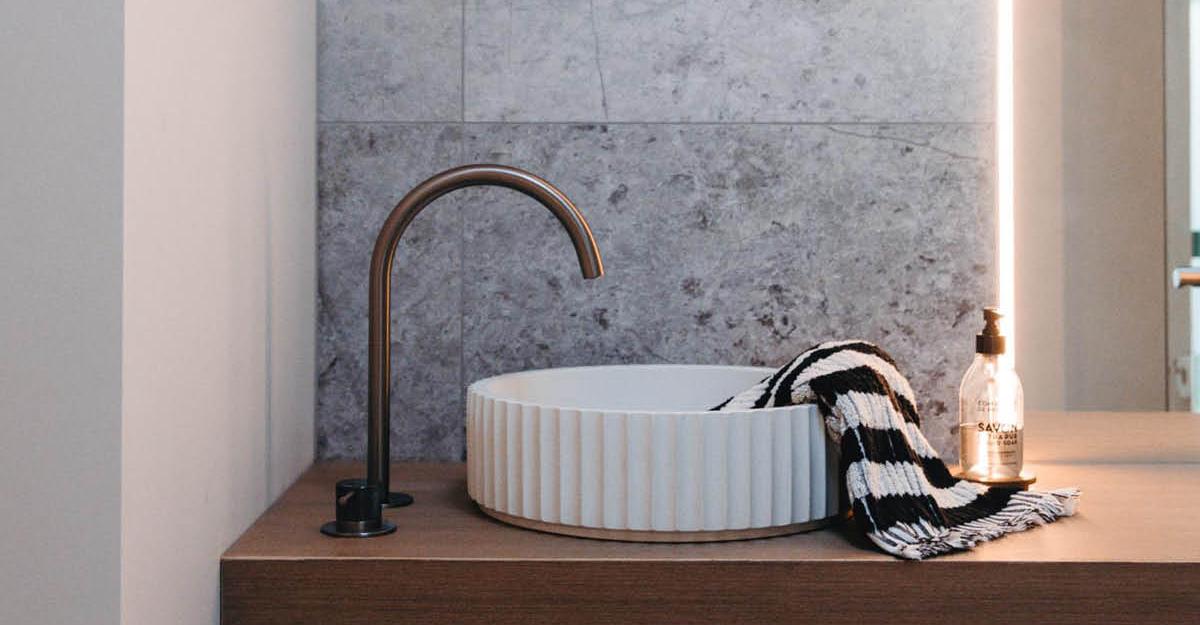
The requirements apply to products in the drinking water system: basin mixers and kitchen mixers, tapware bodies, mixing and thermostatic valves, isolation and pressure-reducing valves, and copper alloy pipe fittings.
They don't apply to products outside the pressurised drinking water path, shower heads and open bath spouts (which sit at the outlet end rather than holding back pressure), baths, toilets, laundry appliances, and irrigation or fire systems.
The rules cover tapware, touching drinking water, that are made from brass. For tapware ranges that are fully made of stainless steel, the rules are irrelevant and do not apply.
If you're a homeowner
There's no need to rip out your existing taps. The rules apply to new consent applications from 2 May 2026, (as long as the consent was submitted prior to this date, it does not need to have been approved by this date), not retrospectively to existing homes. But if you're renovating, building, or replacing tapware, it's the natural moment to choose products made to the new standard, particularly if you have young children at home.
A few simple checks will tell you whether tapware meets the new requirements:
- Look for the LF (lead-free) and DR (dezincification resistant) markings on the product or its packaging.
- Ask your plumber or merchant directly whether the product complies with the current G12 requirements.
- Look for the Watermark certification symbol. The Watermark standard is the gold standard for tapware and covers all of the requirements for lead-free and DZR regulations that came into force in New Zealand on 2nd May. If your Tapware is Watermark compliant, it's good to go.
- Be a little more careful with heavily discounted tapware, unfamiliar online sellers, or older stock without clear markings, these are where non-compliant product is most likely to surface.
If you're an architect or designer
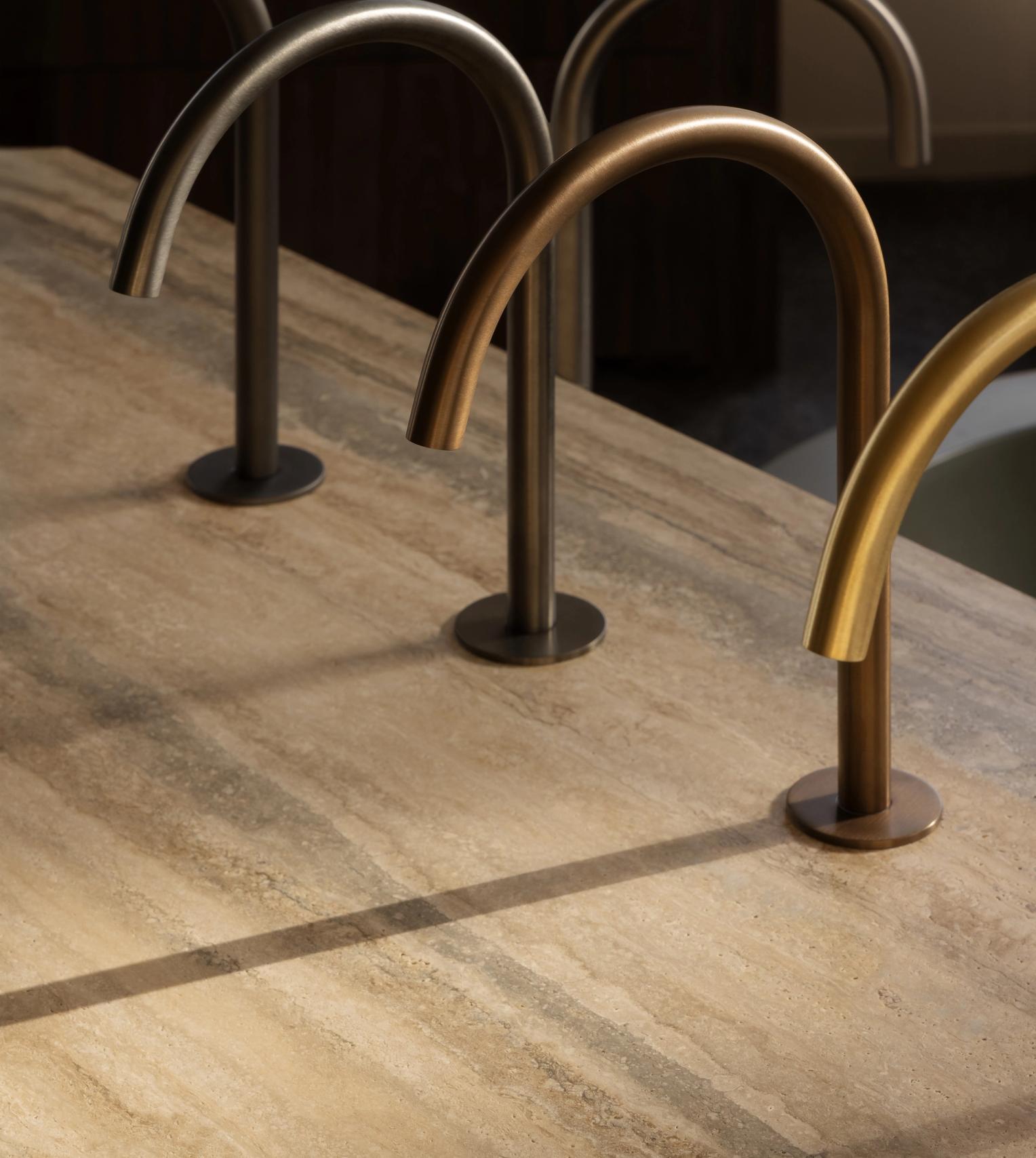
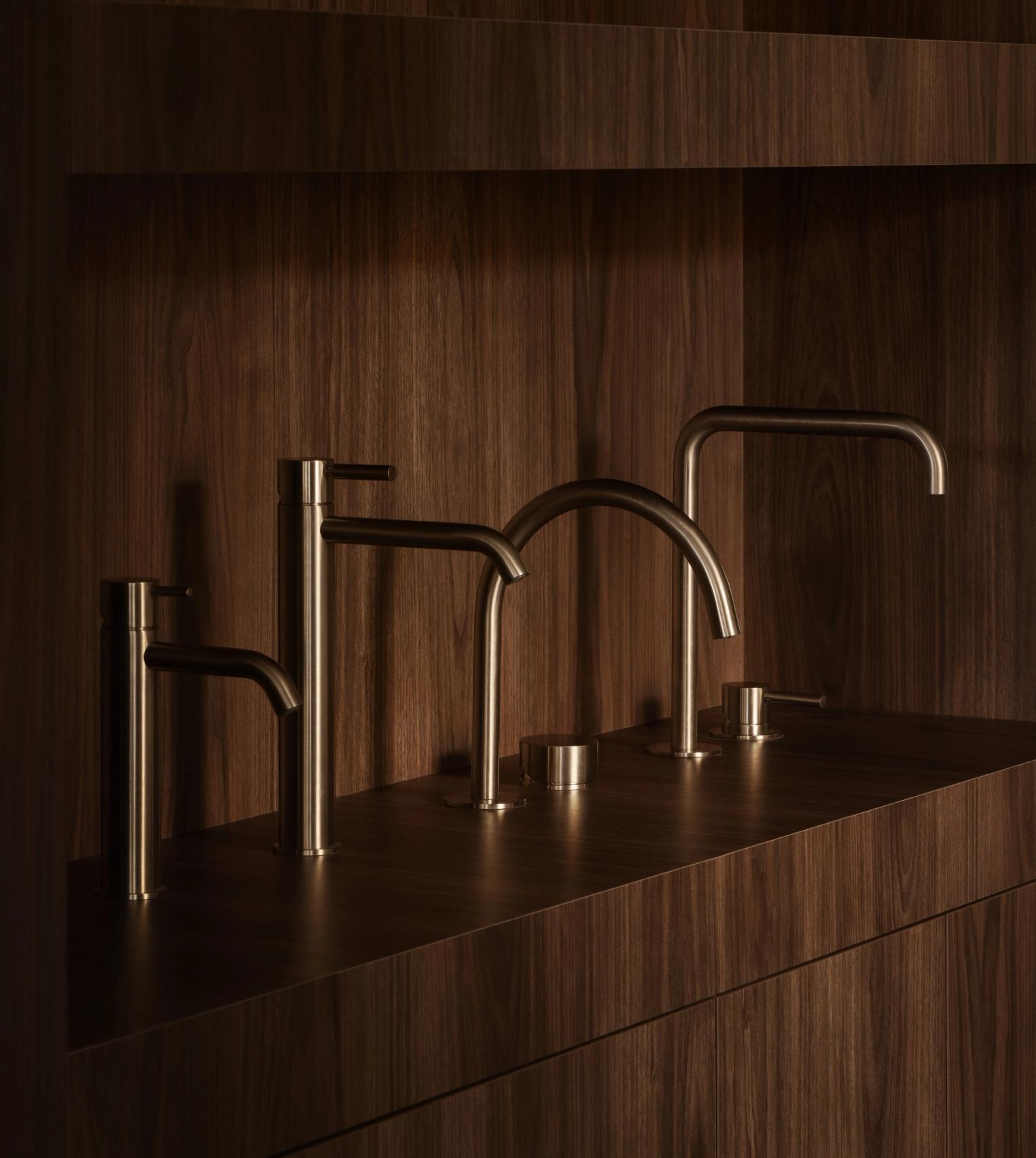
For consent applications lodged from 2 May 2026, the products you specify for the drinking water system need to meet the new requirements and your documentation should say so explicitly. A generic tapware clause leaves room for a non-compliant substitution to find its way onto site, and that risk can travel back to the design team.
We suggest your specification:
- References G12/AS1 Amendment 14 and requires all copper alloy products in contact with drinking water to comply.
- Requires LF and DR markings on delivered goods.
- Requires any proposed substitution to be supported by the same documentation before it is approved, putting the burden of proof on the party proposing the change.
For larger projects such as multi-residential, hospitality, healthcare, a simple compliance register recording each product, its markings will make consent inspections and handover documentation far smoother.
Plumbline was ready before the deadline
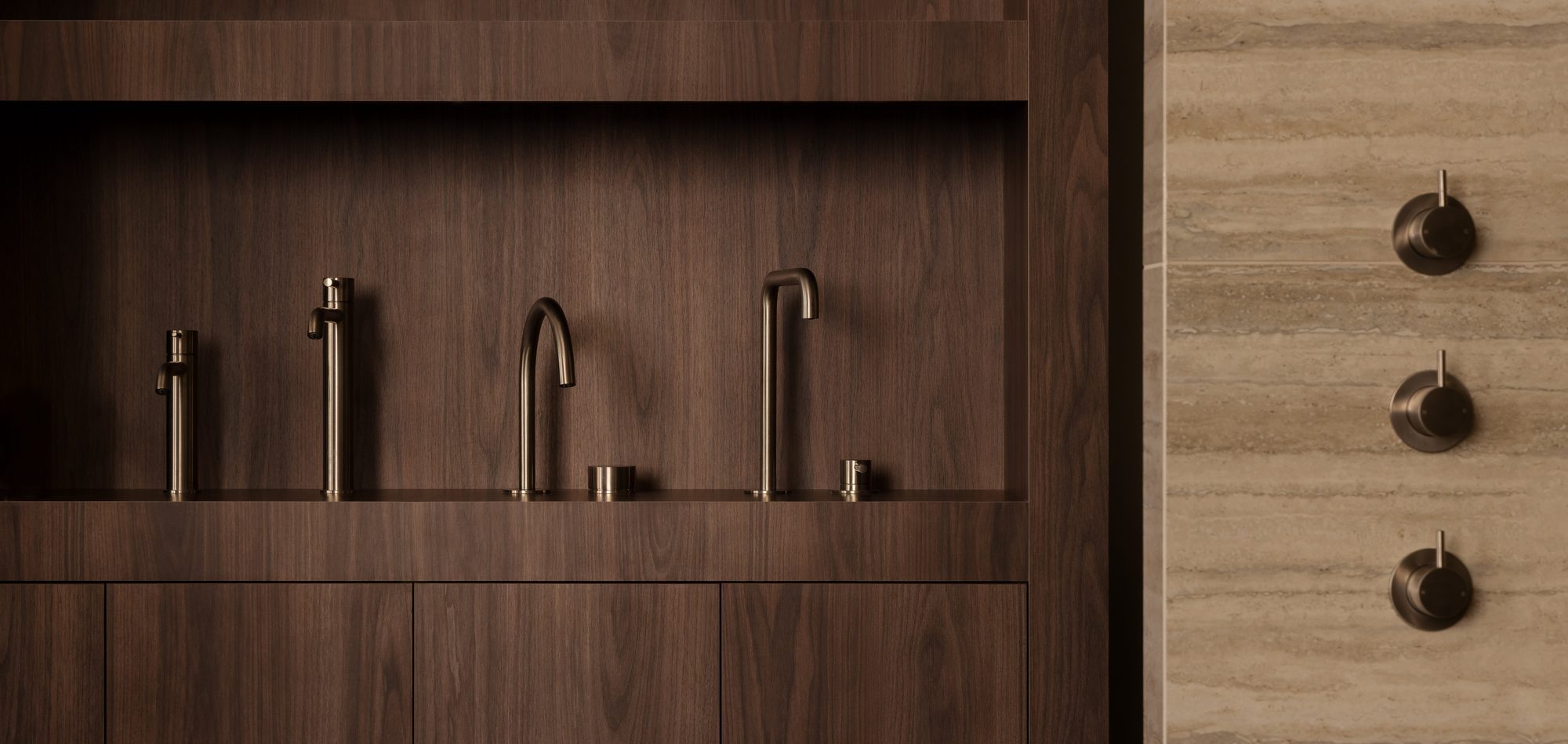
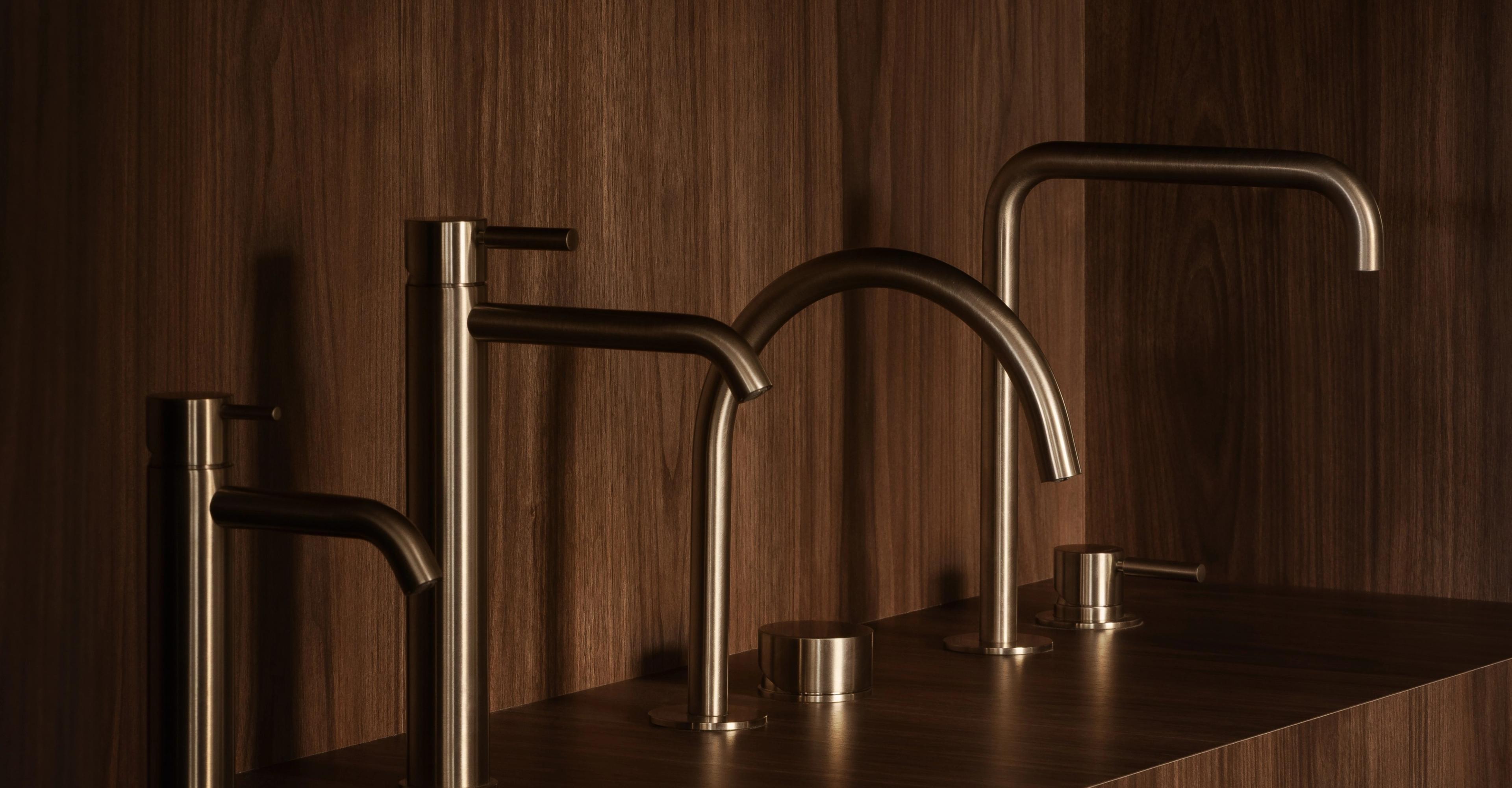
Our tapware is designed here in Aotearoa and crafted by our long-standing and mainly European manufacturing partners, makers who have been producing to lead-free and DZR standards for years. That head start means compliance hasn't required compromise: lead-free, DZR-compliant options are available across our entire tapware range, from the Buddy collection in all twelve finishes through to our kitchen, shower, and specialty tapware.
So you can select on the things that should drive the decision, form, finish, feel, and how a piece belongs in the space, knowing the standard beneath it is already taken care of.
Common questions, answered
Do I have to replace my existing tapware?
No. The requirements apply to new building consent applications from 2 May 2026 so there is no obligation to retrofit existing homes. If water has been sitting in older pipework overnight, running the tap briefly before drinking is a sensible habit, especially in households with young children. And when you do renovate, choosing lead-free, DZR-compliant tapware is the obvious step.
Does my shower head need to comply?
No, a shower head sits at the outlet end of the system and isn't under constant pressure, so it falls outside the DZR requirement. The mixer behind the wall, however, is squarely within it.
How do I know a Plumbline product complies?
Ask us. We can confirm compliance status and while our stainless steel tapware doesn't fall under these regulations, for all tapware manufactured with brass, the product and/or packaging will be marked with the appropriate markings of lead-free or, in some cases, the Watermark certification.
What if a contractor proposes a substitute product on my project?
Ask for the same evidence you'd require of any product: referencing the current G12 requirements, plus LF and DR markings. If the documentation isn't forthcoming, that tells you what you need to know. Our team can also help assess substitution requests against your original specification.
Good design should never make you choose
For more than 35 years, we've believed the bathroom is a sanctuary and that what flows through your tap matters as much as how the tap looks on the wall. The new lead-free and DZR requirements protect the water New Zealanders drink and the longevity of the products that deliver it. We think that's exactly the kind of standard worth setting.
Talk to our team, visit a showroom, or speak with your Plumbline architectural representative about compliant tapware for your home or your next project. The compliance question is answered, the design conversation is the enjoyable part.
Journal
Related articles
View All
2 min read
Oli Prism: The Multifunction Kitchen Mixer That Redefines Everyday Rituals
1 min read
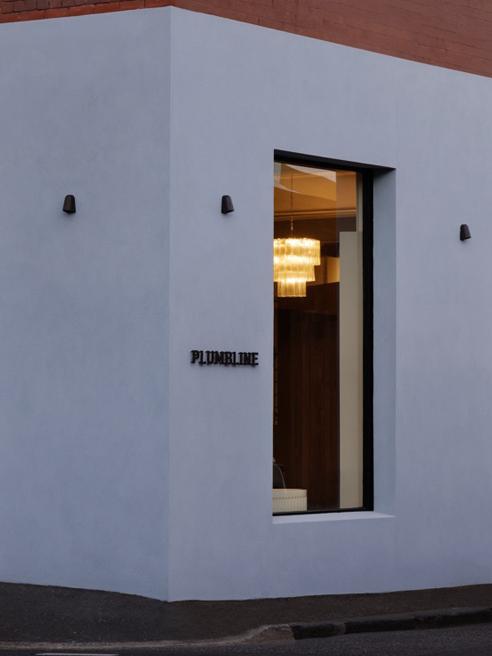
Hello Melbourne
Step inside Plumbline Melbourne and discover a showroom designed to slow the pace, invite curiosity and celebrate the details that define exceptional bathroom design.
4 min read
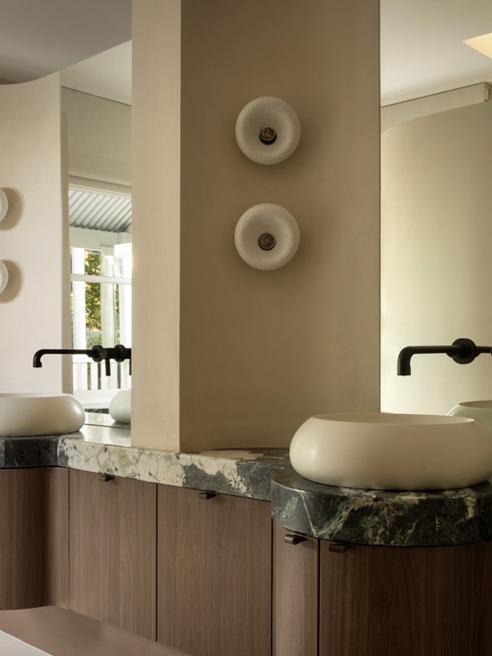
Top 5 Bathroom Design Trends for 2026
As our relationship with the bathroom continues to evolve, the bathroom has become more than a functional room, it is a space of renewal, intentionality and everyday luxury. In 2026, five design directions are shaping the way bathrooms are imagined, curated and experienced.
2 min read
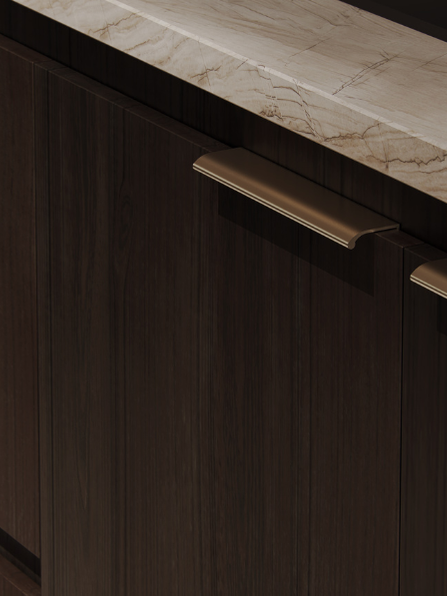
An Edge For Design
Design-led architectural bathware, grounded in form, function, and intention. Rooted in our philosophy of elemental beauty and refined living, we approach every product, with clarity, precision, and purpose. Whether it’s the edge of a bath, the line of a mixer, or the silhouette of a basin, our focus is unwavering: to balance form and function in pieces that are quietly powerful, intentionally crafted, and made to elevate both architecture and everyday living
4 min read
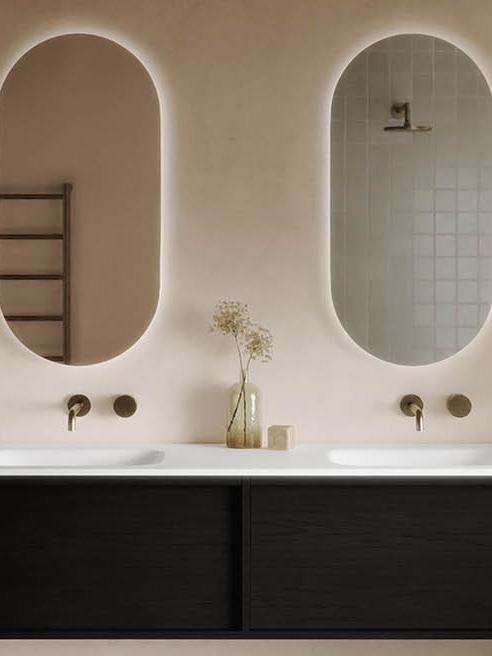
Get your dream bathroom look with Resene and Plumbline
If you’ve ever wanted a tranquil spa-like bathroom, or something bold and contemporary that can become one of the most stylish spaces in your home, then we’re here to tell you it’s possible. With clever design elements, quality fittings from Plumbline, and a splash of colour from Resene, it’s easy to bring your dream bathroom to life. Here’s how these standout looks come together, with inspiring palettes and timeless fixtures.